
Hoist manuals provide crucial information on safety guidelines and operation procedures. They are essential for ensuring worker and facility safety. The Hoist Manufacturers Institute (HMI) offers various resources, including product guides and certification programs, to promote safe hoist operation and maintenance. By following these guidelines, facilities can minimize risks and ensure a safe working environment, with daily pre-use checks and regular maintenance being key to preventing accidents and ensuring compliance with regulations.
Importance of Hoist Manuals in Ensuring Safety
The importance of hoist manuals in ensuring safety cannot be overstated. These manuals provide critical information on the proper use, maintenance, and inspection of hoists, which are essential for preventing accidents and ensuring compliance with regulations. By following the guidelines outlined in hoist manuals, facilities can minimize risks and create a safe working environment. The Occupational Safety and Health Administration (OSHA) emphasizes the importance of hoist safety, and hoist manuals play a crucial role in achieving this goal. With proper training and regular maintenance, hoists can be operated safely and efficiently, reducing the risk of injuries and fatalities. Furthermore, hoist manuals provide valuable information on troubleshooting and repairing hoists, which can help to extend the lifespan of these critical pieces of equipment. In addition, hoist manuals often include important safety tips and best practices for hoist operation, which can help to prevent accidents and ensure compliance with regulations. Overall, hoist manuals are an essential resource for anyone involved in the operation or maintenance of hoists, and their importance in ensuring safety should not be underestimated.
Understanding Hoist Operation Guidelines

Hoist operation guidelines are crucial for safety and efficiency. The Hoist Manufacturers Institute (HMI) provides resources and guidelines for proper hoist operation, including pre-use checks and regular maintenance. Understanding these guidelines is essential for safe hoist operation.
Resources Provided by the Hoist Manufacturers Institute (HMI)
The Hoist Manufacturers Institute (HMI) provides a comprehensive library of product guides and certification programs to promote safe hoist operation and maintenance. These resources include OSHA Alliance safety tip sheets, fact sheets, and quick cards that offer valuable information on hoist safety and best practices. The HMI website, www.MHI.org/hmi, serves as a central hub for industry professionals to access these resources and stay up-to-date on the latest developments and regulations in the field of hoist operation and maintenance. By leveraging these resources, facilities can enhance their safety protocols and optimize their hoist operations, ultimately reducing risks and improving overall efficiency.
OSHA Alliance Safety Tips and Fact Sheets
The OSHA Alliance provides safety tips and fact sheets to help prevent workplace injuries and illnesses. These resources offer valuable guidance on hoist safety, including proper use and maintenance of hoisting equipment. The OSHA fact sheets cover a range of topics, from general safety principles to specific hazards associated with hoist operation. By following these safety tips and guidelines, employers and employees can reduce the risk of accidents and injuries in the workplace. The OSHA website provides access to these resources, as well as other safety materials and training tools; Additionally, the OSHA Alliance offers outreach and education programs to help promote workplace safety and health, and to support employers in their efforts to create a safe work environment. Furthermore, the OSHA Alliance also provides guidance on recordkeeping and reporting requirements for work-related injuries and illnesses, which is an essential aspect of workplace safety. Overall, the OSHA Alliance is a valuable resource for employers and employees seeking to improve workplace safety and reduce the risk of accidents and injuries.
Hoist Maintenance and Inspection
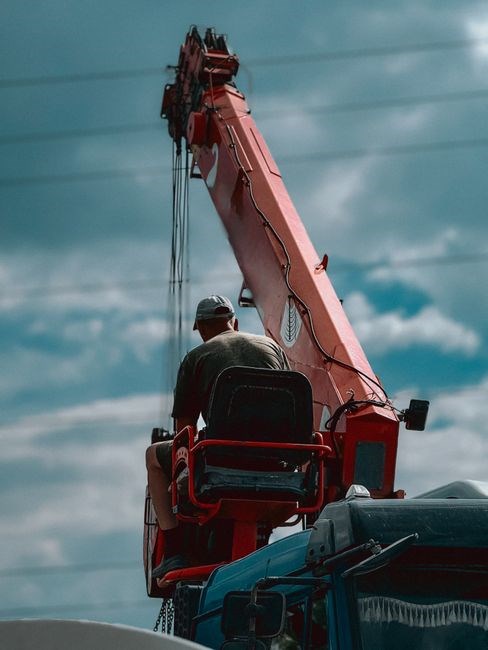
Regular maintenance and inspection of hoisting equipment is crucial for safety and reliability. This includes checking for wear and damage, as well as lubricating moving parts to ensure smooth operation. By following a structured maintenance schedule, facilities can minimize downtime and prevent accidents, with regular checks on hoist components being key to ensuring safety.
Inspecting Hooks, Chains, and Cables for Damage
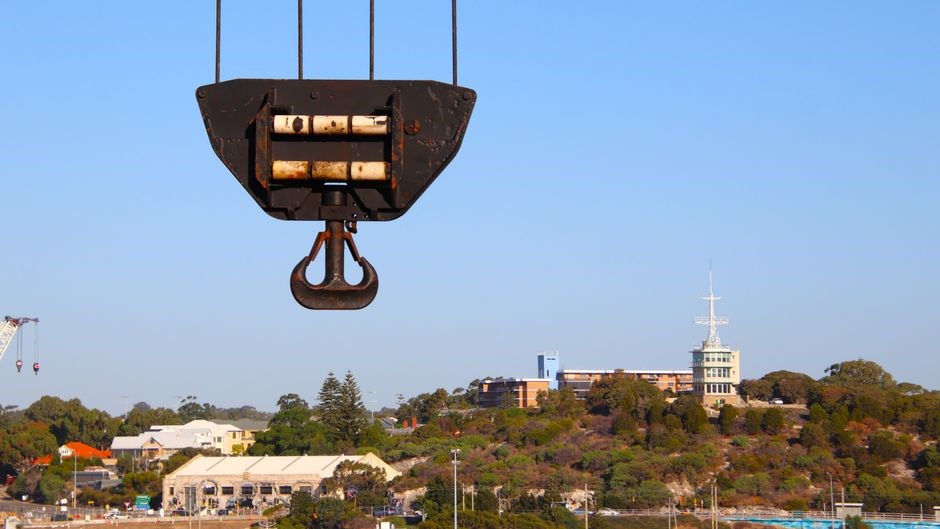
Inspecting hooks, chains, and cables for damage is a critical step in hoist maintenance. According to the OSHA guidelines, inspectors should check for wear and deformation on hooks, such as nicks and gouges, and ensure that hook latches are present and operational. For chains, inspectors should look for damages such as nicks, gouges, deformation, flaws, heat damage, bent links, wear, stretch, and corrosion, as well as pitch elongation and proper lubrication. When inspecting cables, inspectors should check for damages such as broken wires, broken strands, kinks, and any deformation to the rope structure. By following these guidelines, inspectors can identify potential hazards and prevent accidents, ensuring a safe working environment for all personnel involved in hoist operation and maintenance;
Identifying Wear and Deformation in Hoist Components
Identifying wear and deformation in hoist components is crucial for ensuring safety and preventing accidents. Inspectors should look for signs of wear on components such as hooks, chains, and cables, including nicks, gouges, and corrosion. Deformation can be identified by visual inspection, checking for bends, kinks, and twists in the components. The OSHA guidelines provide detailed information on identifying wear and deformation in hoist components, including chain and cable inspection procedures. By following these guidelines, inspectors can ensure that hoist components are in good working condition and safe to use, reducing the risk of accidents and injuries. Regular inspection and maintenance of hoist components is essential for ensuring the safety and reliability of hoist equipment.
Daily Pre-Use Checks for Hoist Safety
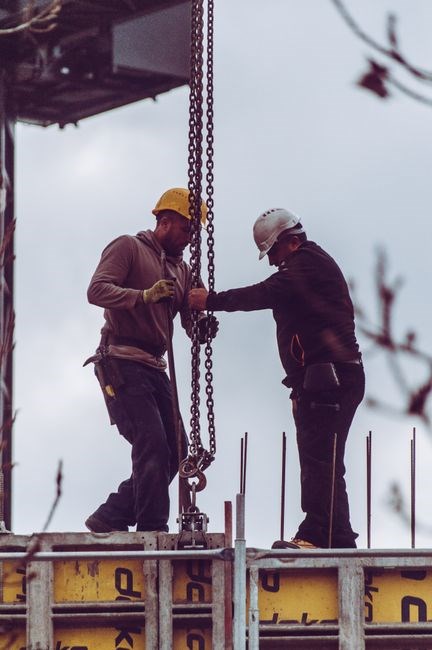
Conduct daily checks on hoist equipment to ensure safety. Verify proper function of controls and braking systems. Check for visible damage or wear on components. Follow a structured schedule for pre-use checks to prevent accidents and ensure compliance with regulations.
Implementing a Structured Schedule for Periodic and Annual Hoist Maintenance
To ensure the safety and reliability of hoist equipment, it is essential to implement a structured schedule for periodic and annual maintenance. This schedule should include regular inspections and testing of components, such as hooks, chains, and cables. A comprehensive maintenance plan should be developed, outlining the frequency and scope of maintenance activities, as well as the personnel responsible for performing these tasks. By following a structured schedule, facilities can minimize downtime, reduce costs, and ensure compliance with regulations. Additionally, a record-keeping system should be established to track maintenance activities and identify trends or potential issues before they become major problems. This will help to optimize maintenance schedules and improve overall equipment reliability, ultimately enhancing safety and productivity in the workplace.
Hoist Safety Guidelines for Operation
For safe hoist operation, follow established guidelines. Ensure proper training and certification of operators. Always refer to the manual for specific operation procedures and safety precautions. Adhere to load capacity limits and speed restrictions to prevent accidents and ensure a safe working environment.
Confirming Hook Latches are Closed and Not Supporting Any Parts of the Load
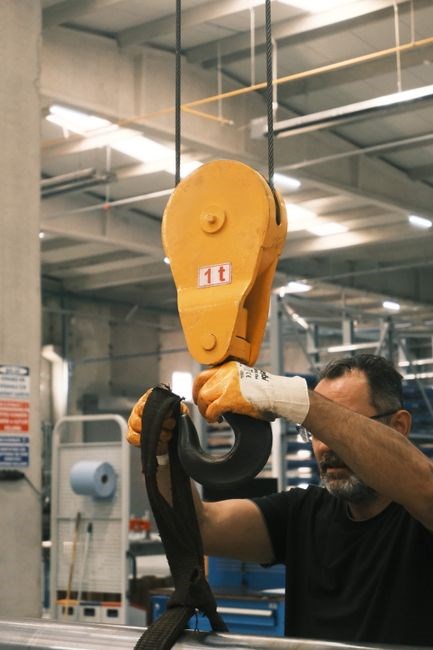
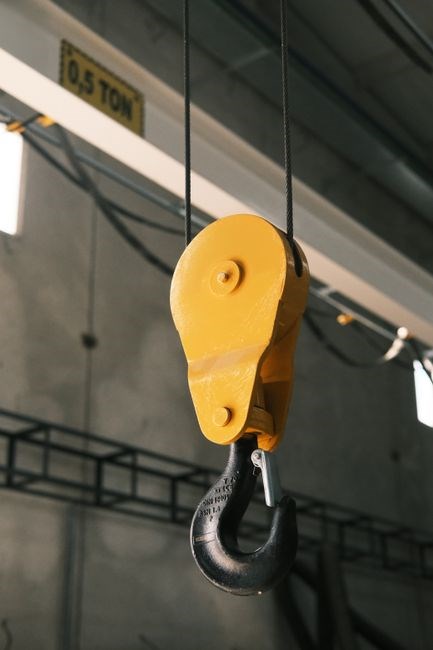
Before operating the hoist, it is crucial to confirm that hook latches are closed and not supporting any parts of the load. This safety precaution helps prevent accidents and ensures a safe working environment. According to OSHA guidelines, hook latches must be properly secured to prevent load shifting or dropping. By verifying the hook latch status, operators can ensure a smooth and incident-free lifting operation. Regular inspection and maintenance of hook latches are also essential to prevent wear and tear, and ensure optimal performance. By following these guidelines, facilities can minimize risks and ensure compliance with regulations, ultimately protecting workers and equipment. Proper training and certification of operators are also critical to ensure that they understand the importance of hook latch safety and can operate the hoist safely and efficiently.
Avoiding Swinging Loads and Verifying Hook Travel Direction
When operating a hoist, it is essential to avoid swinging loads and verify the hook travel direction. This safety precaution helps prevent accidents and ensures a safe working environment. According to OSHA guidelines, hoist operators must be trained to recognize and avoid hazardous situations, such as swinging loads that can cause injury or damage. By verifying the hook travel direction, operators can ensure that the load is being lifted and moved in a safe and controlled manner. This includes checking the hoist’s control system to ensure that it is functioning properly and following the manufacturer’s instructions for safe operation. Additionally, regular inspection and maintenance of the hoist and its components are critical to prevent wear and tear, and ensure optimal performance. By following these guidelines, facilities can minimize risks and ensure compliance with regulations, ultimately protecting workers and equipment. Proper training and certification of operators are also critical to ensure that they understand the importance of safe hoist operation and can operate the hoist safely and efficiently, and regular review of safety procedures and emergency protocols is also essential to ensure a safe working environment.