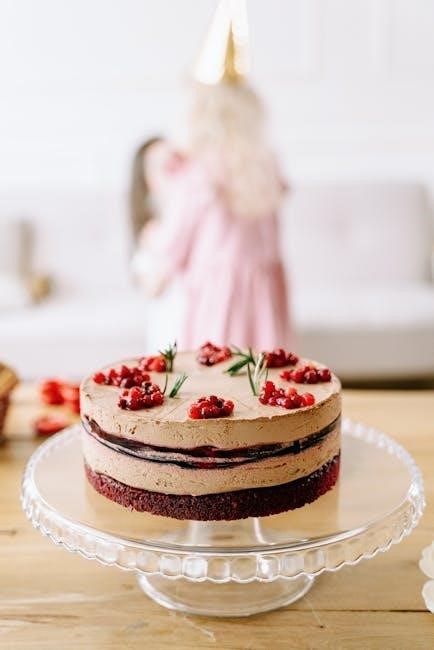
Cake Size Guide: A Comprehensive Overview
Navigating cake quantities can be tricky! This guide explores serving estimations, shapes, and factors influencing your perfect cake choice for any celebration.
Determining the right cake size is crucial for a successful event. Too small, and guests feel shortchanged; too large, and you’re left with excessive leftovers. Considering guest count is paramount, but it’s not the sole factor. Individual appetites, the presence of other desserts, and even dietary needs all play a role.
A well-sized cake ensures everyone enjoys a slice without feeling like there isn’t enough to go around, or that the offering is wasteful. Planning ahead avoids dessert-related disappointments and contributes to a memorable celebration!
Understanding Guest Count & Cake Servings
Accurately estimating guest numbers is the first step. However, simply matching cake size to headcount isn’t enough! Serving sizes vary based on how the cake is cut and guest preferences – some adore cake, others prefer a small taste; Generally, a standard slice is about 1×2 inches.
Consider if the cake is the only dessert; if so, plan for slightly larger servings. If multiple options are available, you can reduce the cake size accordingly. Don’t forget to account for children, who typically eat less!
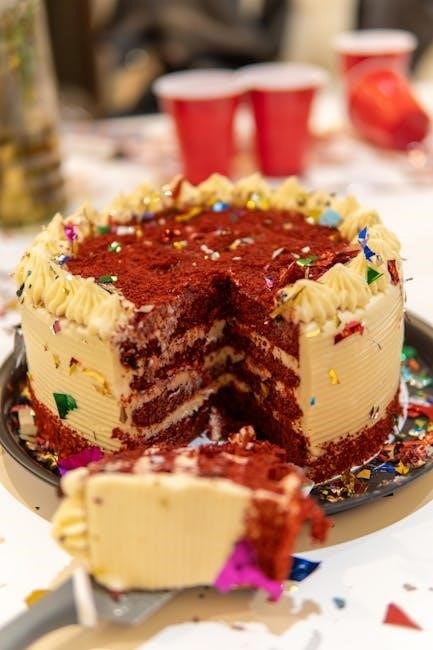
Standard Cake Sizes & Serving Estimates
Common cake diameters range from 6 to 10 inches. Serving estimates depend on slice size, but these provide a solid starting point for planning.
6-Inch Cake: Intimate Gatherings
A 6-inch cake is wonderfully suited for very small celebrations, typically serving 8-12 guests. This size is ideal for a cozy family dinner, a romantic anniversary for two, or a small, intimate gathering of close friends. It’s a perfect choice when you want a delightful dessert without excessive leftovers.
Consider a 6-inch cake if your guest list is limited and you prioritize a charming, manageable size. It’s also a great option if you’re offering other desserts alongside the cake, ensuring there’s variety for everyone to enjoy. Don’t underestimate the impact of a beautifully decorated, smaller cake!
7-Inch Cake: Small Parties
A 7-inch cake strikes a lovely balance, generally serving 12-16 people. This size is excellent for smaller birthday parties, casual get-togethers, or office celebrations with a limited team. It provides a generous portion for each guest without being overwhelmingly large. It’s a versatile option when you want a noticeable cake presence but aren’t catering to a huge crowd.
The 7-inch diameter allows for more elaborate decorations and designs compared to a 6-inch cake. It’s a fantastic choice if you want to showcase a specific theme or create a visually stunning centerpiece for your event. Consider this size for a delightful and manageable dessert experience.
8-Inch Cake: Classic Choice for Medium Groups
The 8-inch cake is a remarkably popular choice, comfortably serving 16-24 guests. It’s ideal for medium-sized birthday parties, family gatherings, or moderately sized office celebrations. This size offers a substantial cake that feels celebratory without being excessive; It’s a sweet spot for many events, providing ample servings for a diverse group.
An 8-inch cake provides a larger canvas for decorating, allowing for more intricate designs and personalized touches. It’s a versatile size that accommodates various cake flavors and fillings, making it easy to tailor to your preferences. It’s a reliable and satisfying option for a memorable occasion.
9-Inch Cake: Popular for Larger Celebrations
A 9-inch cake is a fantastic option when you’re hosting a slightly larger gathering, typically serving 24-36 people. It’s frequently chosen for milestone birthdays, anniversaries, or more substantial celebrations where a generous cake is desired. This size strikes a balance between providing ample servings and maintaining a manageable cake for cutting and serving.
The increased surface area of a 9-inch cake allows for more elaborate decorations and intricate designs, making it a visually impressive centerpiece. It’s a great choice if you anticipate a good number of cake enthusiasts among your guests, ensuring everyone gets a delightful slice.
10-Inch Cake: Significant Events & Larger Crowds
For truly significant events and larger crowds, a 10-inch cake is often the ideal choice, comfortably serving 38-50 guests. This substantial size is perfect for weddings, large birthday parties, or any celebration where a grand statement is desired. It provides a generous amount of cake to accommodate a sizable guest list without running out prematurely.
A 10-inch cake offers a large canvas for elaborate decorating, allowing for stunning visual displays. Consider this size when you want your cake to be a focal point of the event, creating a memorable and impressive centerpiece for your celebration.
Cake Shapes & Their Impact on Servings
Cake shape significantly impacts serving sizes! Round, square, sheet, and tiered cakes all offer different yields, influencing how much cake you’ll need.
Round Cakes: Traditional & Efficient
Round cakes are a classic choice, offering a visually appealing and generally efficient use of cake batter. They’re easy to slice and serve, making them popular for various celebrations. A 6-inch round typically serves 8-10 people, while an 8-inch round can comfortably feed 12-16 guests.
For larger gatherings, consider a 10-inch round, which yields approximately 20-24 servings. Round cakes are versatile and work well with many frosting designs and decorations. Their symmetrical shape lends itself to elegant presentations, making them a timeless option for birthdays, anniversaries, and other special occasions.
Square Cakes: Maximizing Space & Servings
Square cakes often provide more servings than their round counterparts of the same dimension, making them a cost-effective choice for larger groups. This is because there’s less wasted space when cutting square slices. An 8-inch square cake can serve around 16-20 people, while a 10-inch square comfortably feeds 25-30 guests.
Square cakes are also excellent for sheet-style decorations and offer a modern aesthetic. They’re particularly well-suited for events where maximizing the number of servings is a priority, without sacrificing visual appeal. Consider a square cake for a practical and stylish dessert option.
Sheet Cakes: Best for Large Numbers
Sheet cakes are the ultimate solution when catering to a substantial guest list. Their rectangular shape allows for efficient cutting and maximizes the number of servings per cake. A half-sheet cake (18” x 13”) typically serves 48-64 people, while a full-sheet cake (24” x 18”) can easily feed 96-128 guests.
Sheet cakes are also ideal for customization with large designs or messages. They’re a practical and economical choice for events like school functions, corporate gatherings, or any celebration requiring a generous dessert spread. Don’t underestimate the power of a well-decorated sheet cake!
Tiered Cakes: Combining Size & Aesthetics
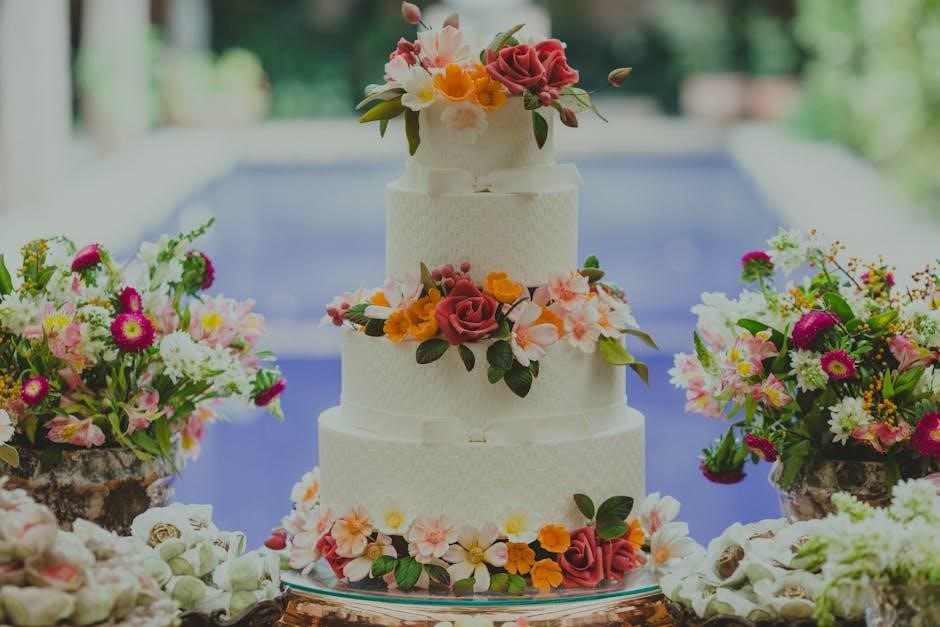
Tiered cakes offer the best of both worlds: impressive presentation and substantial servings. By stacking cakes of decreasing sizes, you achieve height and visual appeal without drastically increasing the footprint. A two-tier cake (6” & 8”) can serve approximately 40-50 guests, while a three-tier (6”, 8”, & 10”) comfortably feeds 75-100 people.
Tiered cakes are perfect for weddings, milestone birthdays, and other significant events. They allow for creative decorating possibilities and can be customized to match any theme. Remember to consider structural support when designing taller tiers!
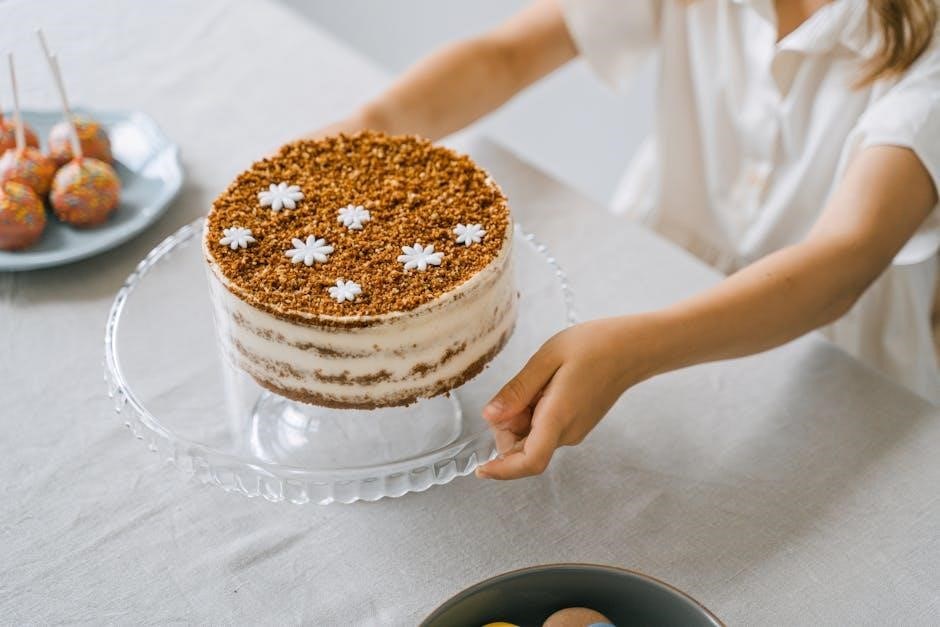
Factors Influencing Cake Quantity
Beyond guest count, consider dietary needs, if cake is the sole dessert, and individual appetites to accurately determine the necessary cake volume.
Dietary Restrictions & Preferences
Carefully assess your guest list for any dietary restrictions or preferences. This includes allergies – like nuts, gluten, or dairy – and lifestyle choices such as veganism or sugar-free diets. Offering alternative options, or a cake catering to common needs, ensures everyone feels included and can enjoy a sweet treat.
Don’t assume everyone will partake; some guests simply aren’t cake enthusiasts! Knowing these details beforehand prevents waste and guarantees a delightful experience for all attendees, demonstrating thoughtful consideration. A smaller main cake, supplemented by a specialized alternative, is often a wise approach.
Cake as the Only Dessert
If the cake is the sole dessert offering, generous portioning is crucial. Guests will naturally expect a larger slice when there are no other sweet alternatives available. Increase your estimated serving size by at least 25-50% to accommodate those with a bigger sweet tooth or those who simply want a substantial treat.
Consider the overall event duration; a longer celebration warrants a more plentiful cake supply. A beautifully presented, ample cake becomes a focal point and contributes significantly to the festive atmosphere, ensuring everyone gets their fill.
Multiple Dessert Options Available
When a variety of desserts are offered, you can confidently reduce the cake size. Guests will sample from different options, lessening the demand for large cake portions. A smaller cake serves as a delightful addition to the dessert spread, rather than needing to satisfy everyone’s sweet cravings entirely.
Reduce your initial serving estimate by approximately 20-30%. Consider the other desserts’ richness; lighter options mean people might still desire a cake slice. Presentation matters – an attractive cake will still draw attention!
Average Cake Consumption Per Person
Estimating consumption is key! While some adore cake, others prefer minimal sweets. A generally safe assumption is 1-2 servings per person, but this varies greatly. Consider your guest list – are they known cake enthusiasts? Adjust accordingly.
Children typically consume less than adults. Factor in that some guests might skip dessert altogether. It’s better to have a small surplus than run out completely, ensuring everyone has a chance to enjoy a slice if they desire!
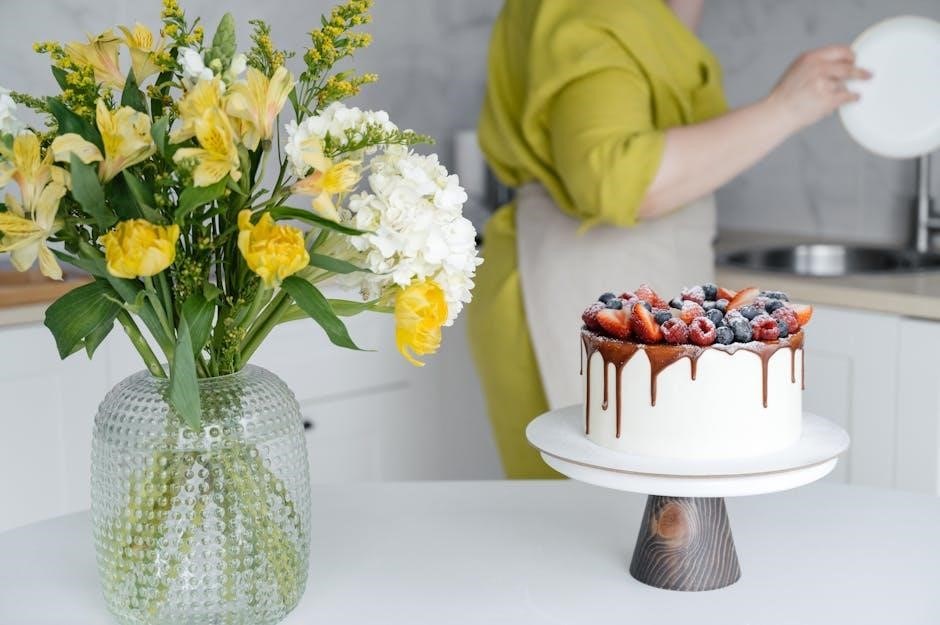
Calculating Cake Size Based on Guest List
Accurate guest counts are vital! Distinguish between adults and children, and consider varying appetites to determine the ideal cake size for your event.
Estimating Number of Adults vs. Children
Precisely determining the ratio of adult to child guests significantly impacts cake sizing. Adults generally consume larger portions than children, influencing the overall quantity needed. A helpful approach involves creating a preliminary guest list, categorizing attendees by age group.
Consider that children might be content with smaller slices or alternative dessert options, while adults often anticipate a more substantial serving. For every five adults, estimate three children, adjusting based on your specific event. This distinction allows for a more accurate calculation of total servings required, preventing waste or shortages.
Accounting for Heavy vs. Light Eaters
Recognizing varying appetites is crucial for accurate cake sizing. Not everyone enjoys – or consumes – the same amount of dessert! Some guests are enthusiastic cake lovers, while others prefer a smaller taste or skip it altogether.
Estimate that roughly 25% of your guests will be “heavy eaters,” desiring generous portions, and 25% will be “light eaters,” content with a small slice or none. The remaining 50% fall into an average consumption category. Adjust your serving estimates accordingly, potentially adding an extra slice per person to accommodate those with larger appetites.
Adding a Buffer for Unexpected Guests
Life happens, and guest lists often fluctuate! It’s always wise to prepare for unexpected attendees, ensuring everyone enjoys a slice of cake. A simple rule of thumb is to add an extra 5-10% to your calculated cake size to account for potential plus-ones or last-minute additions.
This buffer prevents the embarrassment of running out of cake and demonstrates gracious hospitality. Consider the nature of your event; a more casual gathering might warrant a larger buffer than a formal occasion with strict RSVPs. Better to have a little extra than not enough!
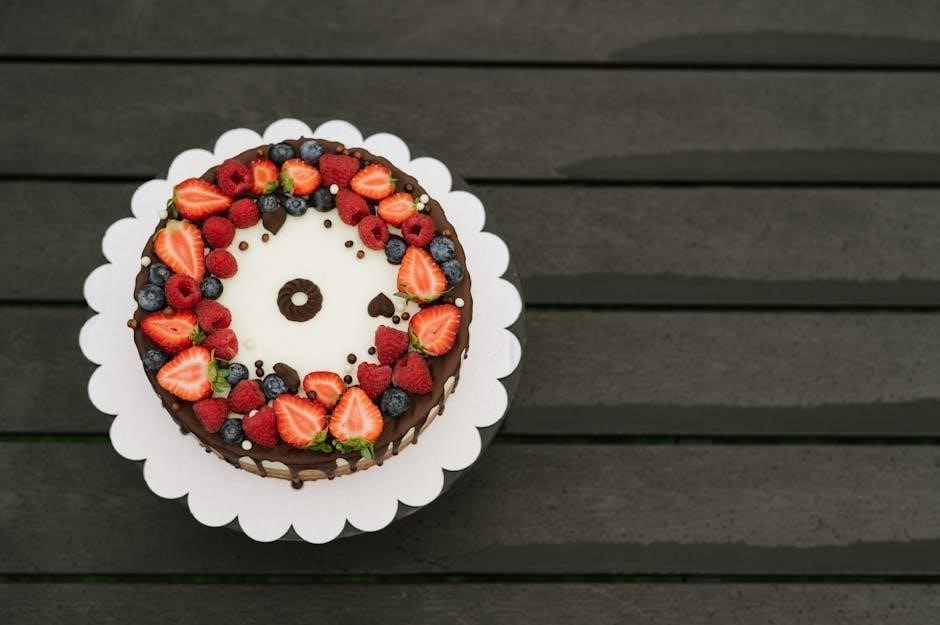
Cake Height & Serving Considerations
Cake height significantly impacts servings! Taller cakes appear more impressive but can be challenging to cut neatly, affecting portion sizes.
Single-Layer Cakes: Simpler & Quicker
Single-layer cakes offer a streamlined baking experience, ideal for those seeking simplicity or a faster turnaround time. These cakes are generally easier to transport and require less frosting, making them a practical choice for casual gatherings or smaller celebrations. While they may not have the visual grandeur of multi-tiered creations, single-layer cakes still deliver deliciousness and can be beautifully decorated.
Serving estimates for single-layer cakes depend on the size, but generally, a 6-inch cake yields around 8-12 servings, while an 8-inch cake can serve 12-16 guests. They are perfect when you prioritize ease and flavor over elaborate presentation.
Double-Layer Cakes: More Impressive & Generous
Double-layer cakes elevate the presentation and serving capacity compared to their single-layer counterparts. The addition of a second layer creates a more substantial and visually appealing dessert, perfect for celebrations where a grander statement is desired. They also offer more opportunities for creative fillings and frosting designs, enhancing both flavor and aesthetics.
Typically, a double-layer 8-inch cake can comfortably serve 16-24 people, while a 10-inch version extends that to 24-32. These cakes strike a balance between impressiveness and practicality, making them a popular choice for many events.
Tall Cakes & Serving Challenges
While visually stunning, tall cakes—those exceeding four layers—present unique serving considerations. Their height can make clean cutting more difficult, potentially resulting in uneven slices or structural instability. Ensuring a sturdy internal support system, like dowels, is crucial to prevent collapsing, especially during transport or display.
Serving sizes also require careful thought. While the overall volume is larger, accessing the bottom layers can be awkward. It’s wise to pre-cut slices or have assistance available to ensure guests receive a manageable portion of each delicious layer.
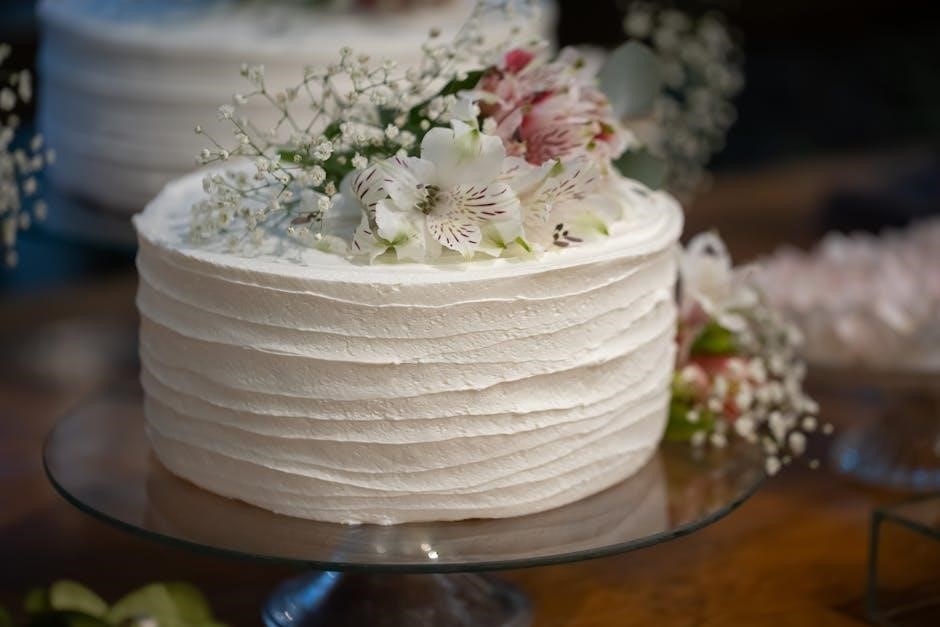
Cupcakes as an Alternative to Cake
Cupcakes offer portion control and variety! They’re a fantastic substitute, simplifying serving and allowing for diverse flavors—a delightful, individual treat option.
Cupcake-to-Cake Serving Ratio
Determining the equivalent number of cupcakes to a cake requires understanding serving sizes; Generally, one standard cupcake replaces approximately one-eighth of a 9-inch round cake. Therefore, 24 cupcakes are often considered equivalent to a single 9-inch cake, providing roughly the same number of servings. However, this ratio can fluctuate based on cupcake size and individual portion preferences.
Larger cupcakes, or those with generous frosting, might equate to a larger cake fraction. Conversely, mini cupcakes would require a higher quantity to match a full-sized cake’s serving capacity. Considering guest appetites and the overall dessert spread is crucial for accurate estimation, ensuring everyone enjoys a sweet treat!
Benefits of Choosing Cupcakes
Cupcakes offer distinct advantages over traditional cakes, particularly for events with varied guest counts or logistical challenges. They eliminate the need for cutting, simplifying serving and minimizing mess. Individual portions control serving sizes, reducing waste and catering to diverse appetites. Cupcakes also present greater flavor variety – offering multiple options is easier than creating a multi-tiered cake.
Furthermore, cupcakes are inherently portable and visually appealing, requiring less elaborate presentation. They’re ideal for buffets, outdoor events, or situations where elegant slicing isn’t feasible. Ultimately, cupcakes provide convenience, customization, and a delightful individual treat for every guest!
Cupcake Size Variations
Cupcake sizes significantly impact serving estimations, mirroring the considerations for whole cakes. Standard cupcakes, typically weighing around 2 ounces, generally serve as a single dessert portion. Mini cupcakes, around 1 ounce, are perfect for variety or smaller appetites – requiring roughly double the quantity of standard sizes. Jumbo cupcakes, exceeding 3 ounces, offer a more substantial treat, potentially reducing the overall number needed.
Beyond weight, consider the cupcake’s height and frosting level. Generously frosted cupcakes feel more filling. When substituting cupcakes for cake, adjust quantities based on size; a larger cupcake equates to a bigger slice.
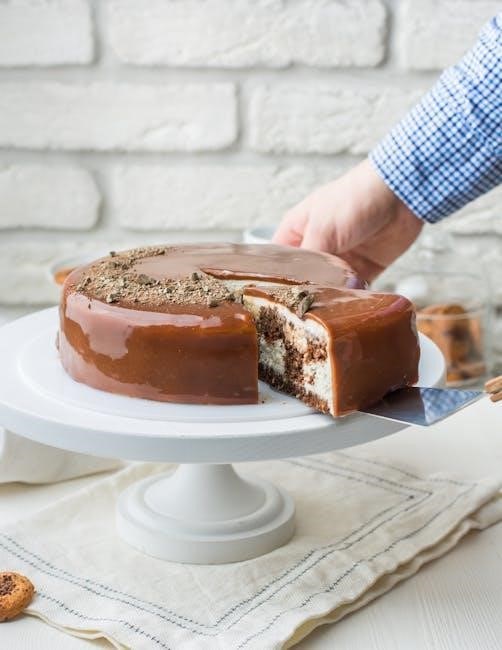
Specialty Cake Sizes & Shapes
Unique designs demand adjusted serving estimates! Heart shapes may reduce slice counts, while number/letter cakes prioritize aesthetics over maximizing portions.
Heart-Shaped Cakes: Romantic Occasions
Heart-shaped cakes are a classic choice for Valentine’s Day, anniversaries, and romantic celebrations. However, their unique shape impacts serving sizes compared to traditional round or square cakes. Due to the curves and points, less cake surface area is available for cutting standard slices.
A 6-inch heart cake typically serves 8-10, while an 8-inch version might yield 12-16 servings. Consider this reduction when estimating quantities, especially if you anticipate guests with larger appetites. Prioritize presentation, but ensure sufficient cake for everyone to enjoy a piece of this sweet symbol of affection!
Number/Letter Cakes: Personalized Celebrations
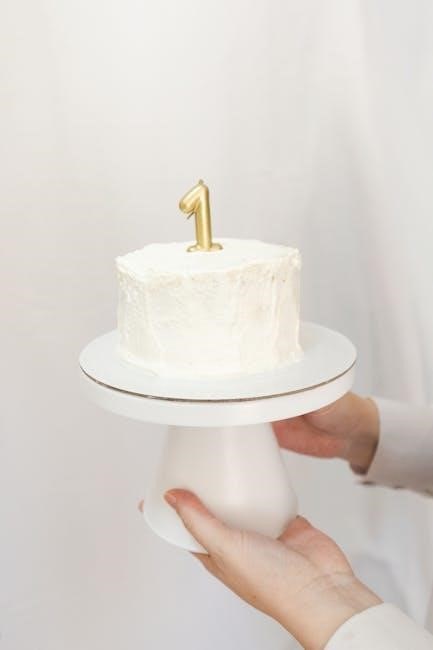
Number or letter cakes, increasingly popular for birthdays and milestones, present unique serving considerations. These cakes, often constructed from multiple cake rounds cut into the desired shape, can be less efficient in terms of servings compared to standard shapes. The intricate cuts and potential for wasted cake around the edges reduce usable cake volume.
A single-digit number cake (e.g., ‘1’) made with an 8-inch base might serve 10-12, while a letter could vary. Always overestimate slightly, as the visual appeal often outweighs the practical serving size. Focus on a generous portion for the honoree!
Sheet Cake Sizes for Large Events
For gatherings exceeding 50 guests, sheet cakes become the most practical and economical choice. A standard full sheet cake (18” x 24”) typically serves 96-120 people, offering substantial portions and simplified serving. Half-sheet cakes (18” x 12”) cut servings to 48-60, ideal for mid-sized events.
Consider the cake’s height; a thicker sheet cake yields more generous servings. Sheet cakes excel at accommodating diverse frosting designs and themes. Remember to factor in potential leftovers – sheet cakes are perfect for extending the celebration!
Resources for Cake Serving Charts
Accurate estimations are key! Utilize online calculators and consult with your bakery for personalized guidance on cake sizing and servings.
Online Cake Serving Calculators
Numerous websites offer convenient cake serving calculators, simplifying the planning process. These tools typically request your guest count and desired serving size, then recommend appropriate cake dimensions – round, square, or sheet. They often allow adjustments for varying slice sizes and cake heights, providing a more tailored estimate.
However, remember these are estimations. Consider individual appetites and the presence of other desserts. Some calculators even factor in whether the cake is the sole dessert option. Explore several calculators to compare results and gain a broader perspective before making your final decision, ensuring a delightful experience for everyone!
Bakery Consultation for Accurate Estimates
For the most precise cake sizing, a consultation with a professional baker is invaluable. They possess expertise in cake construction, serving trends, and can assess your specific event details – guest demographics, dessert spread, and overall celebration style.
A skilled baker can offer personalized recommendations, considering factors online calculators might miss, like intricate designs impacting sliceability or the density of your chosen cake flavor. Discuss your vision openly; they’ll translate it into a perfectly portioned masterpiece, ensuring everyone enjoys a sweet treat without waste or shortage!
General Cake Serving Guidelines
As a broad rule, standard cake serving charts estimate approximately one to two servings per person, depending on cake density and slice size. However, these are merely starting points! Consider your guest list – will children be present, influencing smaller portions? Are you offering a full dessert buffet, reducing individual cake consumption?
Remember, generous slices are appreciated, but overestimating can lead to significant waste. A slightly larger cake is preferable to running out, but mindful planning prevents unnecessary excess. These guidelines offer a foundation for informed decision-making.